The Dawn of Fully Autonomous Rides: Amazon’s Zoox Gets the Green Light

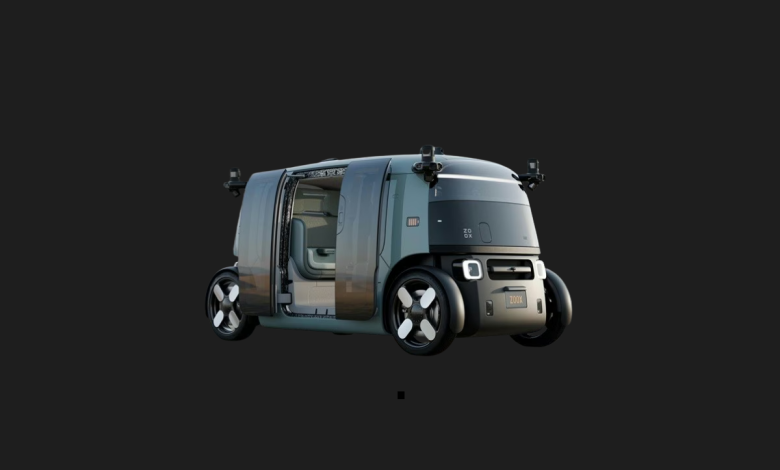

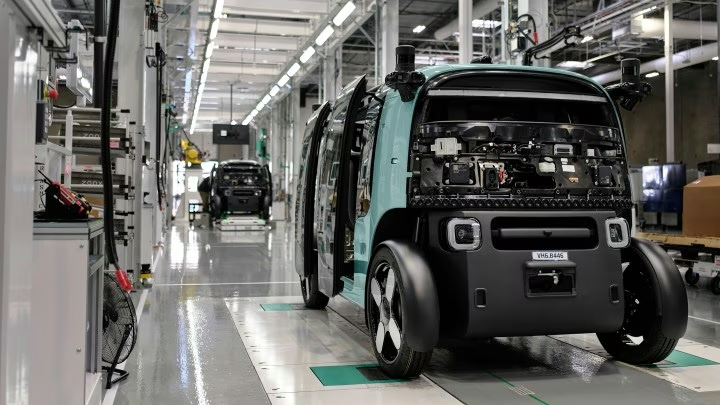
Imagine booking a ride, the car pulls up, the doors open, and… there’s no driver’s seat. No steering wheel, no pedals, not even a rearview mirror. For a long time, this sounded like a scene straight out of a sci-fi movie. But while diving into the latest mobility news this morning, I realized that the future has officially arrived.
The US National Highway Traffic Safety Administration (NHTSA) just gave Amazon’s Zoox the ultimate green light: they can now charge passengers for rides in their custom-built, fully autonomous robotaxis.
Why This is a Massive Milestone
We’ve seen self-driving cars before, like Waymo’s modified Jaguars, but those still look like regular cars. They have steering wheels that spin like ghosts are driving them. Zoox is fundamentally different.
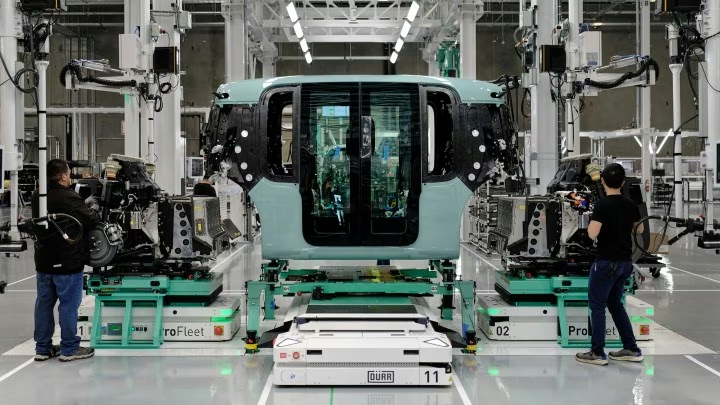
When I first researched their vehicle design, I was genuinely surprised by how bold they went. This vehicle isn’t a retrofitted sedan; it’s built from the ground up for one sole purpose: autonomy.
Here is what makes the Zoox robotaxi stand out:
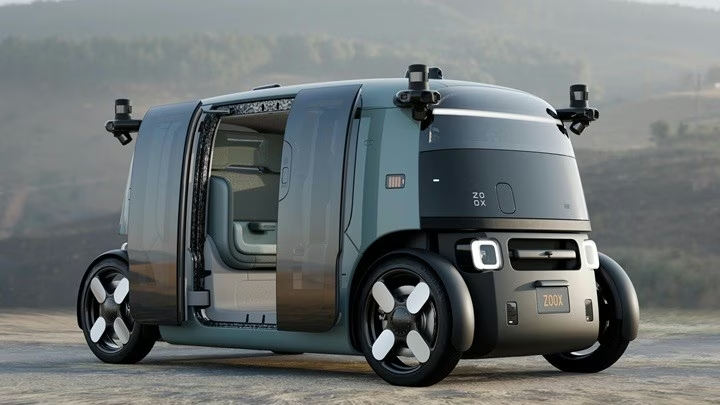
- Carriage-Style Seating: Passengers face each other, creating a social, lounge-like environment.
- Bi-directional Movement: It doesn’t have a definitive “front” or “back.” It can drive in either direction, making tight city maneuvers incredibly easy.
- Zero Manual Controls: Completely devoid of human driving hardware—no steering wheel, no brakes, no accelerator.
Getting federal exemption for a vehicle that lacks traditional safety equipment (like standard mirrors) is a historic first. It proves that regulators are finally beginning to adapt to the technology, rather than forcing the technology to fit outdated rules.


The Las Vegas Rollout and Beyond
Up until now, Zoox has been testing their vehicles in parts of San Francisco and Las Vegas, but they couldn’t legally charge you for the ride. Now, they are gearing up to launch their first paid commercial service in Las Vegas next month.
Under this new NHTSA exemption, Zoox is permitted to deploy up to 2,500 vehicles annually over the next two years. What I find really promising here is that the NHTSA also announced they will apply a more flexible oversight system as the technology evolves.
However, they still have some bureaucratic hurdles to clear. If they want to start charging passengers in California, for instance, they’ll need additional green lights from the state’s DMV and the Public Utilities Commission.
Setting the Stage for the Rest of the Industry
This decision doesn’t just matter for Amazon; it sets a massive precedent.
I immediately thought about Tesla’s upcoming Cybercab. Elon Musk has been promising a dedicated robotaxi without manual controls, and Tesla will inevitably need a very similar regulatory exemption to get those on public roads. Previously, GM’s Cruise tried to get their “Origin” robotaxi approved, but that application stalled out. Zoox breaking through this regulatory wall paves the way for the entire industry.
The NHTSA isn’t stopping here, either. They are actively working with industry groups on a three-year plan to establish nationwide safety and performance standards, meaning companies might soon stop having to fight state-by-state regulatory battles.
Final Thoughts
We are moving away from the era of “cars that drive themselves” into the era of “mobility pods.” It’s a massive shift in how we perceive personal transportation. The idea of getting into a box with no driver controls might feel a bit unnerving at first, but the sheer convenience and potential safety improvements are hard to ignore.
So, I have to ask: If a Zoox pulled up to your house tomorrow, would you feel perfectly comfortable hopping in and letting the software take the wheel—literally? Let’s discuss in the comments!
You Might Also Like;